Best Website Design Company in Chennai for Performance, SEO & Growth

Finding a website design company in Chennai is easy. Finding a partner that understands your business goals, creates a strong user experience, builds technically sound websites and helps turn website visitors into enquiries is much harder.

A modern business website should do more than look professional. It should communicate your value clearly, work smoothly across mobile and desktop devices, load quickly, support search visibility and guide visitors towards meaningful actions.

At Dezvolta, we approach website design as a business growth asset rather than simply a visual project. Our team combines website strategy, UI/UX design, development, SEO, performance optimisation and conversion-focused thinking to create websites for startups, SMEs and established businesses.

Whether you need a corporate website, WordPress website, ecommerce store, website redesign or custom web development, our objective is to create a digital experience that represents your brand and supports measurable business goals.

Our Work: Client Portfolio
Website Design Results That Speak for Themselves

A portfolio demonstrates what an agency can build. Results provide another layer of evidence about how that work supports business objectives.

At Dezvolta, our web design and digital marketing work spans different industries, including real estate, manufacturing, education, coworking and professional services.

Instead of presenting generic claims, this section should showcase verified project outcomes from your actual client accounts.

Project 1: OREL PC

Industry: Real Estate

Objective: Build a stronger digital presence and improve visibility for competitive real estate searches.

Approach:

  • Website structure improvements
  • User-focused page organisation
  • SEO-friendly architecture
  • Content optimisation
  • Performance improvements
  • Search-focused page development

Verified Result:

The project achieved first-page visibility for targeted real estate searches, including competitive Chennai-related terms.

What this demonstrates: Website design and SEO should work together rather than being treated as completely separate activities.

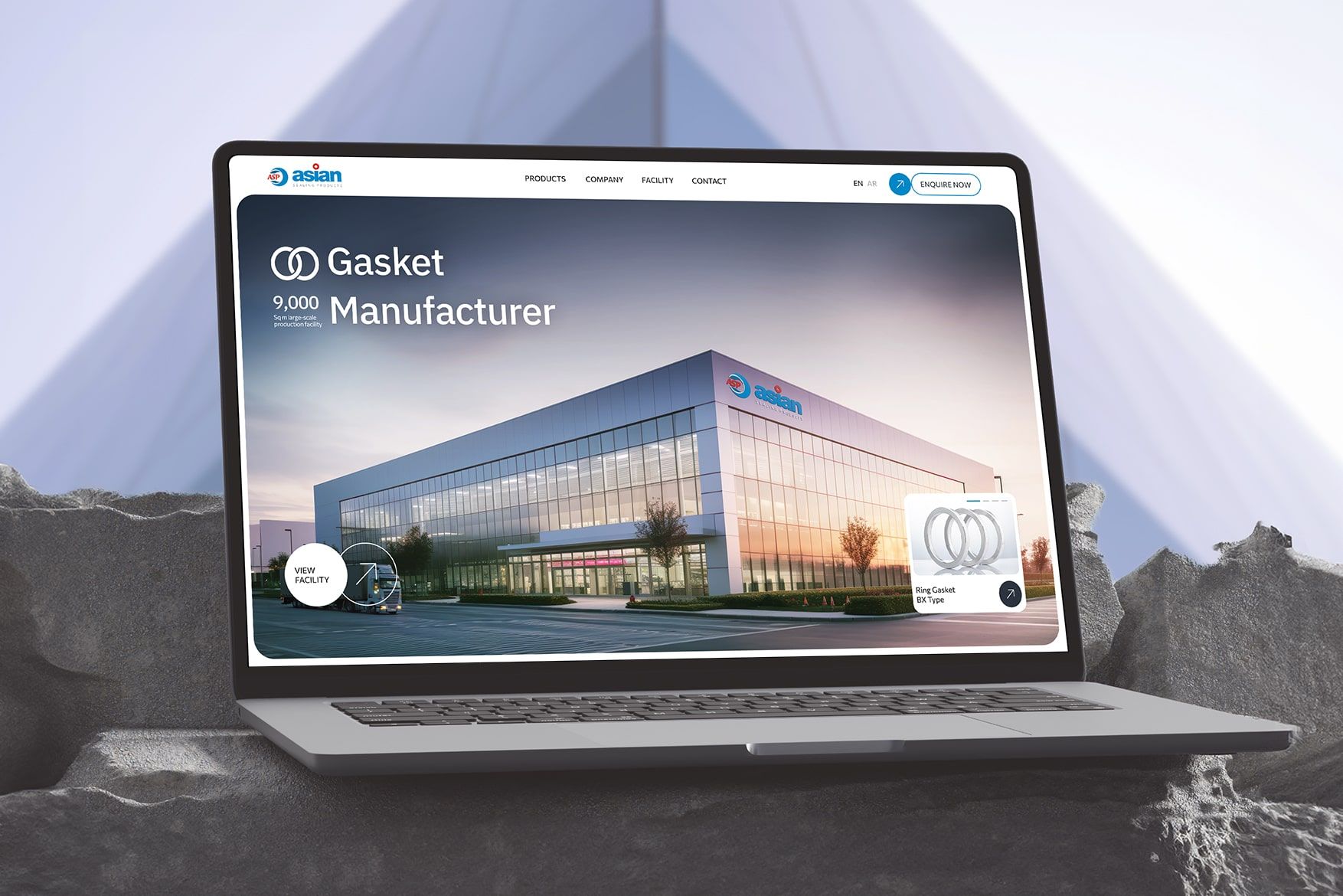
Project 2: Asian Sealing Products

Industry: Industrial Manufacturing

Objective: Build a professional B2B website capable of presenting technical products clearly while supporting organic search growth.

Approach:

  • Product-focused information architecture
  • Technical product page development
  • Search-friendly content structure
  • Internal linking
  • SEO integration
  • Conversion-focused enquiry paths

Verified Result:

The website has developed visibility for competitive industrial product searches and supports the company’s broader organic search strategy.

What this demonstrates: Industrial websites require more than attractive visuals. Product information, technical clarity, search intent and enquiry generation all need to work together.

Project 3: The Executive Zone

Industry: Coworking and Flexible Workspace

Objective: Improve online visibility and create clearer pathways for businesses searching for coworking spaces in Chennai.

Approach:

  • Location-focused website structure
  • Service page optimisation
  • Clear workspace information
  • Conversion-focused calls to action
  • Local SEO integration

Result:

The website supports organic visibility for location-based workspace searches and helps users discover relevant workspace options.

What These Projects Tell Us

Different businesses require different website strategies.

A manufacturing company may need detailed product architecture.

A real estate company may require location-based landing pages and enquiry-focused journeys.

A coworking company may need workspace comparison, pricing information and strong local search visibility.

Therefore, we do not believe in using one website structure for every business.

The design should reflect the industry, audience, business model and growth objectives.

Important: Only publish specific percentages, traffic increases, lead numbers or ranking positions here when Dezvolta has verified data that can be publicly disclosed.

Why Your Business Needs More Than a Beautiful Website ?

A visually attractive website is only one part of successful web design.

A website can have impressive graphics and animations but still perform poorly if visitors cannot find the information they need, the pages load slowly, the navigation is confusing or the calls to action are unclear.

A high-performing website brings several elements together:

  • Professional and brand-focused visual design
  • Clear information architecture
  • Mobile-first responsive layouts
  • Fast page loading
  • SEO-friendly structure
  • Simple and intuitive navigation
  • Strong calls to action
  • Conversion-focused user journeys
  • Secure and scalable development
  • Easy content management
  • Analytics and performance tracking

This is why businesses searching for a website design company in Chennai should evaluate more than screenshots or visual concepts.

The right question is not simply, “Does the website look good?”

It is:

“Can this website attract the right audience, communicate our value and help our business generate measurable outcomes?”

Why Dezvolta Is a Website Design Company Built for Growth ?

At Dezvolta, website design starts with understanding the business rather than immediately opening a design tool.

Before the visual design begins, we consider your audience, competitors, services, search behaviour, content requirements and conversion goals.

Strategy Before Design

Every successful website needs a clear purpose.

We identify what the website needs to achieve, who the target audience is and what actions visitors should take.

Depending on the business, the primary objective may be:

  • Generate enquiries
  • Increase phone calls
  • Generate WhatsApp enquiries
  • Sell products online
  • Build brand credibility
  • Generate leads through organic search
  • Showcase products or services
  • Support an existing marketing strategy

This strategic foundation helps us create a website that is aligned with the actual business objective.

UX Designed Around Real Users

Good UI/UX design should make it easy for visitors to understand a website.

We focus on information hierarchy, navigation, page structure, content placement, forms, calls to action and user journeys.

Instead of forcing visitors to search for important information, we structure pages so that key questions are answered at the right stage of the journey.

SEO-Ready Website Architecture

SEO should not be added after the website is completed.

Website architecture, headings, page hierarchy, internal links, URLs, content structure and technical foundations should be considered during development.

Our website projects can be structured around SEO requirements including:

  • Search-friendly page architecture
  • Logical heading hierarchy
  • Clean URLs
  • Internal linking
  • Image optimisation
  • Structured data where appropriate
  • XML sitemap
  • Mobile responsiveness
  • Search Console integration
  • Analytics tracking
  • Technical SEO foundations

This creates a stronger foundation for future SEO campaigns.

Performance and Mobile-First Development

A website must work well for people using smartphones, tablets and desktop computers.

We pay attention to responsive layouts, image optimisation, unnecessary scripts, code efficiency and other performance considerations.

Google recommends that websites provide a good overall page experience and highlights Core Web Vitals as important metrics for loading performance, responsiveness and visual stability.

Conversion-Focused Design

The purpose of a business website is not simply to generate page views.

It should encourage the right visitors to take the next step.

Depending on your business, that could be:

Get a Quote →

Request a Consultation →

Call Now →

WhatsApp Us →

Book a Demo →

View Products →

Contact Our Team →

We strategically place calls to action throughout the user journey without making the website feel aggressive or cluttered.

How to Choose the Best Web Design Company in Chennai: 7 Questions to Ask

Before signing with any web design agency in Chennai, ask these seven questions. The answers will tell you everything.

1. Can you show me websites you have built that rank on Google?

Any agency claiming to do SEO-friendly web design should be able to show you live examples of client websites that rank for their target keywords. Ask for the URL and check it yourself on Google.

2. What is your page speed score on a recent project?

Run any agency’s recent work through Google PageSpeed Insights (pagespeed.web.dev). A professional agency should consistently score above 80 on mobile. Below 60 is a red flag.

3. Do you build with a mobile-first approach or adapt desktop designs?

Mobile-first means the design is created for mobile screens first, then scaled up. Adapting desktop designs down is an older, inferior approach. Given that over 70% of Indian web traffic is mobile, this matters enormously.

4. Who will actually work on my project?

Many agencies win business with senior talent and then hand projects to junior staff or outsource entirely. Ask specifically who will design, who will develop, and who will be your point of contact throughout.

5. What happens after my site launches?

Ask for a written maintenance and support policy. A serious agency will offer regular backups, uptime monitoring, security updates, and a clear process for requesting changes.

6. Have you worked with businesses in my industry?

Industry experience reduces the time needed to understand your audience, your competitors, and your content requirements. Ask for portfolio examples from your sector.

7. What does your SEO setup include on delivery?

At minimum, a professional agency should deliver: page titles and meta descriptions for every page, structured heading hierarchy (H1/H2/H3), image alt text, XML sitemap, robots.txt, Google Search Console setup, and schema markup for local business.

If an agency cannot confidently answer most of these, keep looking.

5 Red Flags — Warning Signs of a Bad Web Design Company in Chennai 

Choosing the wrong agency is an expensive mistake — both in money and lost time. Before you sign anything, check for these five warning signs.

🚩 Red Flag 1: No portfolio or only mockups, never live sites They cannot show you a real client website that is live and working. Mockup screenshots mean nothing — ask for URLs you can visit yourself.

🚩 Red Flag 2: No answer to “what is your PageSpeed score?” If they cannot tell you the page speed score of a recent project, they are not building for performance. This will cost you in rankings and user retention from day one.

🚩 Red Flag 3: Price quote arrives within minutes, with no questions A legitimate agency needs to understand your business, goals, audience, and functionality before quoting. An instant quote without questions means a template-based build with no strategy.

🚩 Red Flag 4: No clarity on post-launch support “We will hand it over to you” is not a support policy. Ask what happens when the site breaks, when plugins need updating, or when you need a page change. Vague answers mean you are on your own.

🚩 Red Flag 5: Outsourcing without disclosure Many Chennai agencies win business locally and outsource the actual work to other vendors — sometimes overseas. Ask directly: who builds the site, and are they your in-house team? You deserve to know who is responsible for your business asset.

Website Design Cost in Chennai: Honest 2026 Pricing Guide

The cost of website design in Chennai depends on factors such as the number of pages, design complexity, technology platform, ecommerce functionality, integrations, content requirements and SEO needs. A basic business website and a fully customised ecommerce website can have significantly different requirements and budgets.

Instead of choosing an agency based only on the lowest quote, consider the complete scope of work, design quality, development standards, SEO foundation, functionality, support and long-term scalability.

Want to understand the typical investment involved? Explore our detailed guide on [Website Design Cost in Chennai] to compare the key factors that influence website pricing and understand what to consider before choosing a website design package.

Pricing by Website Type

Website TypeTypical Cost RangeTimeline
Basic static site (3–5 pages)₹15,000 – ₹35,0002–3 weeks
Business website with CMS₹40,000 – ₹1,00,0004–6 weeks
WordPress with SEO setup₹50,000 – ₹1,20,0004–7 weeks
eCommerce website₹80,000 – ₹3,00,0006–12 weeks
Custom web application₹2,00,000 – ₹10,00,000+3–6 months

 What Affects the Price ?

Several factors move pricing significantly:

Design complexity. A custom-designed site built from scratch costs more than one built on a purchased theme. Custom design means unique layouts, original illustrations and brand-specific typography all of which take more time.

Number of pages. A 5-page site and a 30-page site are fundamentally different scopes. Each page requires design, content layout, optimisation, and testing.

Functionality requirements. Booking systems, payment gateways, membership portals, product filters and multilingual support each adds cost and development time.

SEO depth. A site built with full technical SEO, keyword-mapped page structure, schema markup, Core Web Vitals optimisation and local SEO setup costs more than one with basic meta tags. But it also has a dramatically better chance of generating traffic.

Post-launch support. Ongoing maintenance, hosting management, security monitoring, and regular updates are typically charged separately, either monthly or annually.

What to Be Cautious About

A ₹10,000 website is not a bargain, it is a liability. At that price point you are getting a template-based build with no SEO, no performance optimisation and no post-launch support. Most businesses that go this route end up rebuilding within 18 months.

The goal is not the cheapest website. The goal is the website that generates the best return on its investment.

Our Website Design Services in Chennai

Corporate Website Design

We create professional corporate websites that communicate a company’s expertise, services, capabilities and brand positioning.

Corporate websites can include:

  • Service pages
  • Industry pages
  • About and leadership sections
  • Case studies
  • Client portfolios
  • Contact forms
  • Resource centres
  • Blog sections
  • Lead-generation CTAs

WordPress Website Design

WordPress provides businesses with a flexible content management platform.

We create WordPress websites with customised designs, structured content, responsive layouts and SEO-friendly foundations.

The objective is to make the website easy to manage while maintaining a professional user experience.

Ecommerce Website Design

For businesses selling products online, ecommerce design needs to combine product discovery, usability, trust and conversion.

We can build ecommerce experiences with:

  • Product categories
  • Product filters
  • Search
  • Product detail pages
  • Shopping carts
  • Payment integrations
  • Customer reviews
  • Order management
  • Mobile-friendly checkout journeys

Custom Website Development

Some businesses require functionality beyond standard website templates.

Custom development can be considered for websites that need specialised workflows, integrations, dashboards, databases or business-specific functionality.

Website Redesign

An outdated website can affect brand perception, usability, mobile experience and conversion performance.

Our redesign process focuses on more than changing colours and images.

We evaluate:

  • Existing website structure
  • User journeys
  • Content organisation
  • Mobile experience
  • Page speed
  • SEO architecture
  • Conversion paths
  • Technical limitations

The goal is to create a better digital experience while protecting valuable existing SEO assets where possible.

UI/UX Design

Our UI/UX process considers how users interact with your website.

This includes:

  • Wireframes
  • Page hierarchy
  • Navigation
  • Typography
  • Visual hierarchy
  • Forms
  • CTA placement
  • Responsive layouts
  • User journeys

Landing Page Design

Landing pages are designed around a specific campaign, product, service or conversion objective.

A focused landing page can reduce distractions and guide visitors towards one primary action.

Website Design vs Website Development: What Is the Difference?

These two terms are often used interchangeably, but they describe different disciplines.

Website design refers to the visual and user experience layer — layout, colours, typography, imagery, and how a user navigates and interacts with the site. A designer’s output is typically mockups or prototypes.

Website development refers to the technical build which is writing the code that makes the design work in a browser, connecting databases, wiring up forms and functionality, and optimising for performance.

A complete web project requires both. Many agencies specialise in one and treat the other as secondary which produces sites that either look great but perform poorly, or function correctly but fail to engage users.

Dezvolta’s team integrates design and development from the start of every project, treating them as a single discipline rather than two separate handoffs.

What Makes a High-Performing Website?

Dezvolta is a web design company in Chennai that operates on a strategy-first, performance-driven model. We do not lead with templates or design trends. We start with your business goals and build backwards from there.

Here is what that means in practice.

We Build Websites That Rank

Every website we deliver includes a complete technical SEO foundation: crawl-optimised site architecture, keyword-mapped page structure, schema markup, Core Web Vitals compliance, and Search Console integration. SEO is not an add-on — it is part of the build.

We Optimise for Speed

Our sites consistently achieve 85+ scores on Google PageSpeed Insights. Fast-loading websites rank better, retain users longer, and convert more effectively. We achieve this through clean code, optimised images, efficient hosting configurations, and no bloated plugins.

We Design for Conversion

Good design is not decoration, it is direction. Our UI/UX approach is shaped by user behaviour principles: clear hierarchy, purposeful calls to action, intuitive navigation and frictionless journeys from landing page to enquiry.

We Have Delivered Measurable Results

  • Real estate client OREL PC ranked on page one for “Luxury Apartments in Chennai” and “IT Parks in Chennai” after a Dezvolta redesign and SEO optimisation
  • Jammi Pharmaceuticals saw significant organic traffic growth after a full eCommerce rebuild optimised for high-intent search terms
  • Multiple clients across healthcare, retail, and professional services have seen 2X improvements in enquiry volume within 90 days of launch

We Stay With You After Launch

Our engagement does not end at handover. We monitor performance, push security updates, and provide ongoing content and optimisation support. A website is a long-term business asset, we treat it that way.

Our Web Design Process: From Discovery to Launch

Every Dezvolta project follows a structured process that eliminates guesswork and delivers predictable outcomes.

Phase 1: Strategic Discovery (Week 1)

We begin by understanding your business in detail your goals, your audience, your competitors, and your current digital position. We audit any existing site, research target keywords, and map the user journey before a single design element is created.

Deliverable: Project brief, keyword map, site architecture plan.

Phase 2: UX Structure and Wireframing (Week 1–2)

Before visual design begins, we build the information architecture. Every page is wireframed to confirm content hierarchy, navigation logic, and conversion pathways. This is where most agencies skip a step and where most websites lose their commercial effectiveness.

Deliverable: Wireframes for all key pages, approved before design begins.

Phase 3: Visual Design (Week 2–3)

Wireframes are brought to life with your brand identity — colours, typography, imagery, and interactive elements. We present high-fidelity designs for feedback and refinement before any development begins.

Deliverable: Full visual design mockups, desktop and mobile.

Phase 4: Development and SEO Integration (Week 3–5)

Our developers build the site using clean, modern code on the approved platform — custom, WordPress, or headless CMS. Simultaneously, all technical SEO elements are integrated: schema markup, page titles, meta descriptions, structured headings, sitemap, and speed optimisation.

Deliverable: Fully developed, SEO-ready website on staging environment.

Phase 5: Testing and Quality Assurance (Week 5–6)

We test across all major browsers, devices, and screen sizes. We check every form, link, and interactive element. We run final PageSpeed audits, accessibility checks, and cross-browser compatibility testing.

Deliverable: QA sign-off report.

Phase 6: Launch and Ongoing Optimisation

We manage the launch, submit to Google Search Console, and set up analytics tracking. Post-launch, we monitor performance and make ongoing refinements to improve rankings, speed, and conversion.

Deliverable: Live website, GSC and Analytics setup, 30-day post-launch monitoring report.

Why Businesses Choose Dezvolta ?

Businesses work with Dezvolta when they want website design to support a larger digital growth strategy.

Our approach combines:

  • Strategy
  • UI/UX design
  • Website development
  • SEO
  • Performance optimisation
  • Conversion-focused design
  • Content structure
  • Analytics
  • Ongoing optimisation

This combination allows the website to become part of the wider marketing system rather than functioning as an isolated brochure.

Our team brings experience across industries including manufacturing, real estate, education, professional services and coworking.

We focus on building websites that are designed around the people who will actually use them.

Industries We Serve

Our website design approach can be adapted for different industries and business models.

Real Estate

Property websites require clear project information, location pages, floor plans, amenities and strong enquiry pathways.

Manufacturing

Manufacturing websites require structured product information, technical specifications, applications and B2B enquiry journeys.

Healthcare

Healthcare websites need clear service information, doctor or specialist profiles, appointment pathways and easy navigation.

Education

Educational institutions benefit from structured course information, admissions content, faculty information and enquiry journeys.

Professional Services

Professional service websites need to communicate expertise, credibility, services and clear reasons to contact the company.

Ecommerce

Ecommerce websites require product discovery, search, filters, product information, trust signals and a smooth checkout journey.

Dezvolta vs Typical Chennai Web Design Agencies

Not all web design companies in Chennai work the same way. Here is an honest comparison of what you typically get and what Dezvolta delivers.

What MattersTypical AgencyDezvolta
SEO integrationAdded after buildBuilt-in from day one
Mobile-first designDesktop adapted downMobile-first always
PageSpeed score (mobile)40–65 (average)85+ consistently
Custom vs templateMostly templatesCustom-designed
Strategy before designRarelyEvery project
Dedicated project managerNot alwaysYes, always
Post-launch supportVague or paid extraStructured & included
Schema markup on deliveryRarely includedStandard on all builds
Transparent pricingQuote on request onlyPublished openly
Measurable outcome focusDeliverables onlyResults-focused

Ready to Build a Website That Actually Works?

If you want a website that ranks on Google, loads fast, and converts visitors into customers, Dezvolta is the web design company in Chennai built for that outcome.

Get in touch with our team

What Our Clients Say

Frequently Asked Questions

What does a website design company in Chennai do?

A website design company plans, designs and develops websites for businesses. Depending on the agency, services may include UI/UX design, WordPress development, ecommerce development, custom web development, SEO integration, website redesign and maintenance.

How much does web design cost in Chennai in 2026?

Web design costs in Chennai range from ₹15,000 for a basic static site to ₹3,00,000 or more for a full eCommerce platform. A professionally built business website with SEO integration typically falls between ₹50,000 and ₹1,20,000. The right budget depends on your business goals, required functionality, and the depth of SEO you need.

How long does it take to design a website in Chennai?

A standard business website takes 4–6 weeks from briefing to launch. More complex sites — including eCommerce platforms and custom web applications — take 8–16 weeks depending on scope and content readiness. Rushed timelines often produce websites that underperform.

Is SEO included in website design?

SEO should be considered from the beginning. Website architecture, headings, URLs, internal linking, mobile responsiveness, performance and technical configuration can all affect the site’s search foundation.

What is the difference between a web design company and an SEO company?

Traditionally, these were separate services. Today, the best web design companies in Chennai integrate SEO into the design and development process itself. Separating them creates expensive rework because SEO-unfriendly architecture has to be rebuilt rather than fixed. Dezvolta combines both by design.

Do you offer maintenance after the website launches?

Yes. Dezvolta offers structured post-launch maintenance covering security monitoring, performance updates, content changes, and ongoing SEO improvements. We offer monthly retainer packages suited to different levels of business need.

Can you redesign my existing website without losing my current Google rankings?

Yes, with careful planning. We conduct a full SEO audit before any redesign, map all existing URLs, and implement proper 301 redirects to preserve ranking equity. A well-managed redesign should maintain or improve your current positions.

What industries do you serve?

We have delivered websites and digital growth systems for businesses in healthcare, pharmaceuticals, real estate, manufacturing, engineering, eCommerce, retail, education, SaaS, and professional services across Chennai and beyond.

What makes Dezvolta different from other web design agencies in Chennai? 
Most agencies in Chennai deliver a website and move on. Dezvolta treats every website as a long-term digital asset. We integrate SEO, performance optimisation, and conversion strategy from the beginning and stay invested post-launch with ongoing monitoring and support. Our clients across Chennai, India, and beyond choose us because we focus on business outcomes, not just design deliverables.
SEO vs GEO

Change is the only constant, and the world of digital visibility is undergoing it. Even the search landscape you were used to two years ago is already obsolete. Companies today are torn between the time-honored tenets of SEO and the new trend of GEO, and denying that this trend is occurring is the quickest method to fade out of the web world. In this SEO vs GEO battle, it does not matter which one wins, but how quickly a brand evolves before AI-powered search engines can rewrite the rankings of online discovery.

Conventional SEO can never be ignored, yet search engines are no longer dependent on keywords and backlinks. With AI models providing direct answers, retrieving citations, and extracting structured information, the game has changed. Companies either grow by optimizing generative engines or get buried by AI summaries. It is no longer adaptation, but survival.

What Is SEO?

SEO, Search Engine Optimization is the conventional approach to enhancing a Site’s visibility in search engines by optimizing content, structure, and signals of authority. It focuses on improving your pages’ rankings in search results so users discover them through organic search. It includes optimizing on-page factors, building backlinks, enhancing technical functionality, and ensuring your Site fulfils the search intents people have over competitors.

Traditional SEO is based on foreseeable cues, including keywords, crawlability, mobile-friendliness, page speed, and relevance. These factors help Google’s search engine understand, catalog, and rank your pages. And within the broader scope of geo and seo, conventional SEO continues to be the basis of the discovery of any website. You are not going to compete without concrete SEO, regardless of how sophisticated your generative engine  optimization plan may get.

Types of SEO

SEO is not a single strategy but a system of systems that combine to ensure that search engines know, appraise, and trust your site. All these components must be in line to remain visible, not only by keyword stuffing or random backlink hunting.

The main types of SEO include:

  • On-Page SEO: Focuses on optimizing content, keywords, headings, and internal links.
  • Off-Page SEO: Authority is established through citations, references, and external sources.
  • Technical SEO: Makes your site faster, crawlable, secure, and in the proper format.
  • Local SEO: Helps your business show up in location-based and map searches.
  • Content SEO: Develops user-query-driven content that answers the query.
  • Entity SEO: Organizes data in a manner that makes sense to the AI system in the form of a brand, a topic, and a relationship.

All these forms combine to form an entire SEO framework that supports both the old and the future search engine optimization.

What Is GEO?

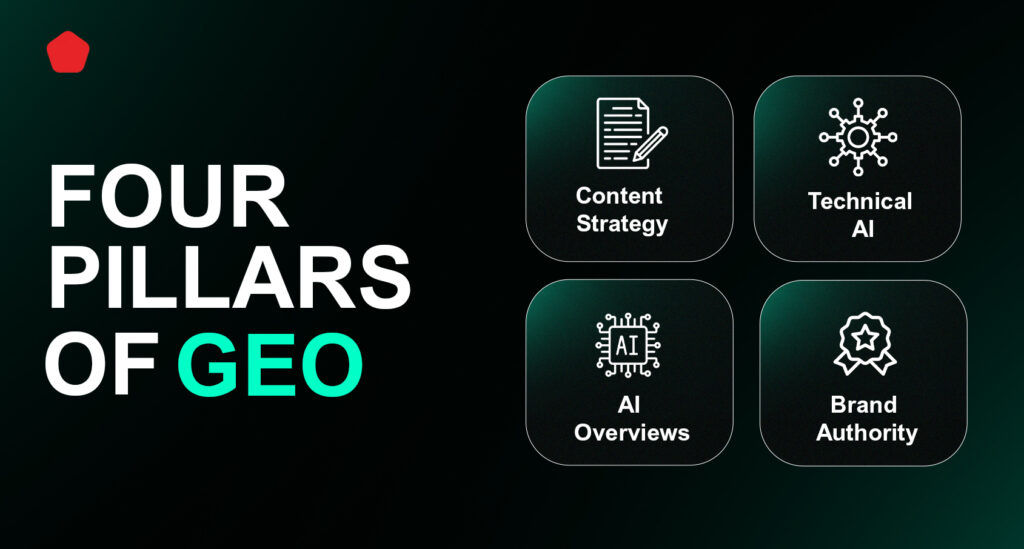
GEO (Generative Engine Optimisation) is the art of ensuring that your content can be extracted and comprehended by the AI search engine and used within its answers. Unlike traditional SEO, which focuses on ranking, GEO aims to be included in AI-generated summaries on platforms such as Google SGE, Perplexity, and ChatGPT Search.

Generative engines are not concerned with keyword density or backlink profiles like traditional algorithms are. They check clarity, structure, the depth of the factual and the precision of the entity. They extract information from various sources, compile a response, and refer to clear, unambiguous, and authoritative material.

GEO is part of a broader dialogue with SEO, not an opposing force. There is no SEO vs. GEO; it is always SEO and GEO. SEO acquaints you with blue links; GEO with surfacing feels like being visible to the user before they click. In practice, GEO would make your content available and reliable in a world where AI systems screen information and then display web pages.

How AI Search Engines Actually Work (Before You Learn GEO)

Before you are going to be trained in generative engine optimization, you must have a crude concept of how AI search engines work, since they are not the same as the old Google search page. Rather than prioritizing websites one at a time, AI tools retrieve information from various sources and generate an answer in real time.

Here’s the simple version:

  • Google SGE scans multiple pages and identifies the clearest, most reliable information to create the summary.
  • Perplexity favors factual content that is clean and does not cite pages that do not feel trustworthy or well-structured.
  • ChatGPT Search seeks out information that is accurate, easy to digest, and well-suited to a direct response.

AI engines do not like fluff or keyword stuffing. They desire simple, well-arranged information that they can carry with ease. Unless your content is clear, structured, and easily decipherable by AI, it just gets disregarded.

How to Do Generative Engine Optimization (GEO)

1. Write down straightforward, extractable answers.

Generative engines erase clean sentences and send them directly into summaries. Avoid soft openings, ornamental language or fillers.

If a sentence cannot be copied to an answer given by AI without editing or reoptimization, this is the only principle between GEO-friendly writings and generic SEO writings.

2. Use Entities with Surgical Clarity.

AI systems do not sort information by keywords; instead, they sort it by entities. Identify the brand, product, tool, place, name, service or event in a definite and explicit manner.

Topicality makes you more likely to appear in the text of AI-generated work in SGE, Perplexity, and ChatGPT Search.

3. Arrange your data in the form of a database.

  • AI engines like structured and scannable content. Use:
  • Bulleted lists
  • Tables
  • Short definitions
  • Step-by-step frameworks
  • Clear Q&A blocks

Such formats assist generative engines in organising and reusing your information in real time.

4. Insert schema and factual indicators.

Structured data provides AI with a machine-readable blueprint of your page.

Use types of schemas, including:

  • FAQ
  • HowTo
  • Product
  • Organization
  • WebPage

Schema increases your chances of being quoted, of having snippets, and of generating summaries. It is one of the essential conditions for the generative engine optimisation provided by contemporary digital agencies.

5. More Facts, Less Words.

Generative engines have the following:

  • Hard facts
  • Quantitative data
  • Dates and timelines
  • Clear definitions
  • Verified statements
  • Process breakdowns

Superficial or bland content is disregarded, while sound is optimised. GEO is compensating for accuracy and not puffing to the wind.

SEO vs GEO: A Side-by-Side Comparison

Let’s take a quick look at the difference between SEO vs GEO:

AspectSEO (Search Engine Optimization)GEO (Generative Engine Optimization)
Primary GoalRank higher on Google’s traditional results pageAppear inside AI-generated answers and summaries
Focus AreaKeywords, backlinks, technical performanceEntities, clarity, structured facts, topic coverage
How It WorksGoogle ranks pages using algorithmic signalsAI pulls information from multiple sources to build answers
Content StyleLong-form, keyword-drivenClear, direct, fact-based, machine-readable
User VisibilityBlue links on SERPsAI summaries, citations, quick answers
Best ForClassic search trafficAI search visibility across SGE, Perplexity, ChatGPT
Effort TypeOngoing optimization + link buildingClean structuring, accuracy, authority signals
Goal in Business TermsGet clicks from organic searchGet featured in AI responses before the click happens

What’s the Difference Between Traditional SEO and AI Search Optimization?

Traditional SEO is based on ranking; all you do is push your webpage up the Google ranking list. It is based on keywords, backlinks, technical solutions, and search intent-based content. The point is simple: be on the first page and get users to click your link.

The model is inverted by AI search optimization. Google SGE, Perplexity, and ChatGPT are not displaying lists of websites first; they are answering directly. They get the information on your page rather than ranking your page. It is that AI does not pay much attention to how you optimized a sentence with keywords; it focuses on the clarity, structure, facts, and completeness of your content.

Now, therefore, the fundamental distinction is this:

  • SEO: Maximizes the search ranking.
  • GEO/AI optimization: Maximizes based on what is seen in AI responses.

Unless your content is easily readable and reusable by the AI, it will not be included in those summaries, even with the best traditional SEO.

Final Word

Search is evolving at a pace that many businesses cannot even keep up with, and it is nothing but denial to assume that the old playbook suffices any longer. Understanding seo vs geo importance for businesses is imperative. AI is not waiting to rank your site; it is grabbing the answers immediately and selecting the most understandable and trustworthy sources without a second thought.

That is why adaptation is not a choice. By sticking to old SEO methods, your content will gradually get overshadowed by AI-generated summaries. However, when you adopt GEO and organize your information so it is accessible to both humans and generative engines, you will remain visible regardless of changes to the landscape.

The surviving brands are those that change early, act swiftly, and perceive each shift as an opportunity, rather than a threat. Adapt now, or get left behind.

Frequently Asked Questions

Will GEO Replace SEO?

Not entirely. SEO remains in charge of how your Site is found in conventional search results, while GEO controls how you are presented in the responses generated by the AI. One does not substitute for the other; you will need both of them to remain visible in a world becoming increasingly AI-driven.

What is the difference between GEO and SEO?

SEO aims to rank Google classic results based on keyword usage, backlinks, and technical indicators. GEO is a way to assist AI systems in studying and reusing your content in their summaries, using clear structure, entities, and factual depth. SEO aims to rank, and GEO aims to be listed in AI responses.

How is GEO different from SEO?

SEO boosts search engine rankings. GEO is the most efficient with generative engines. SEO will generate clicks in the SERP, and GEO will generate pre-click visibility when the search engine uses AI tools to provide instant answers to the user.

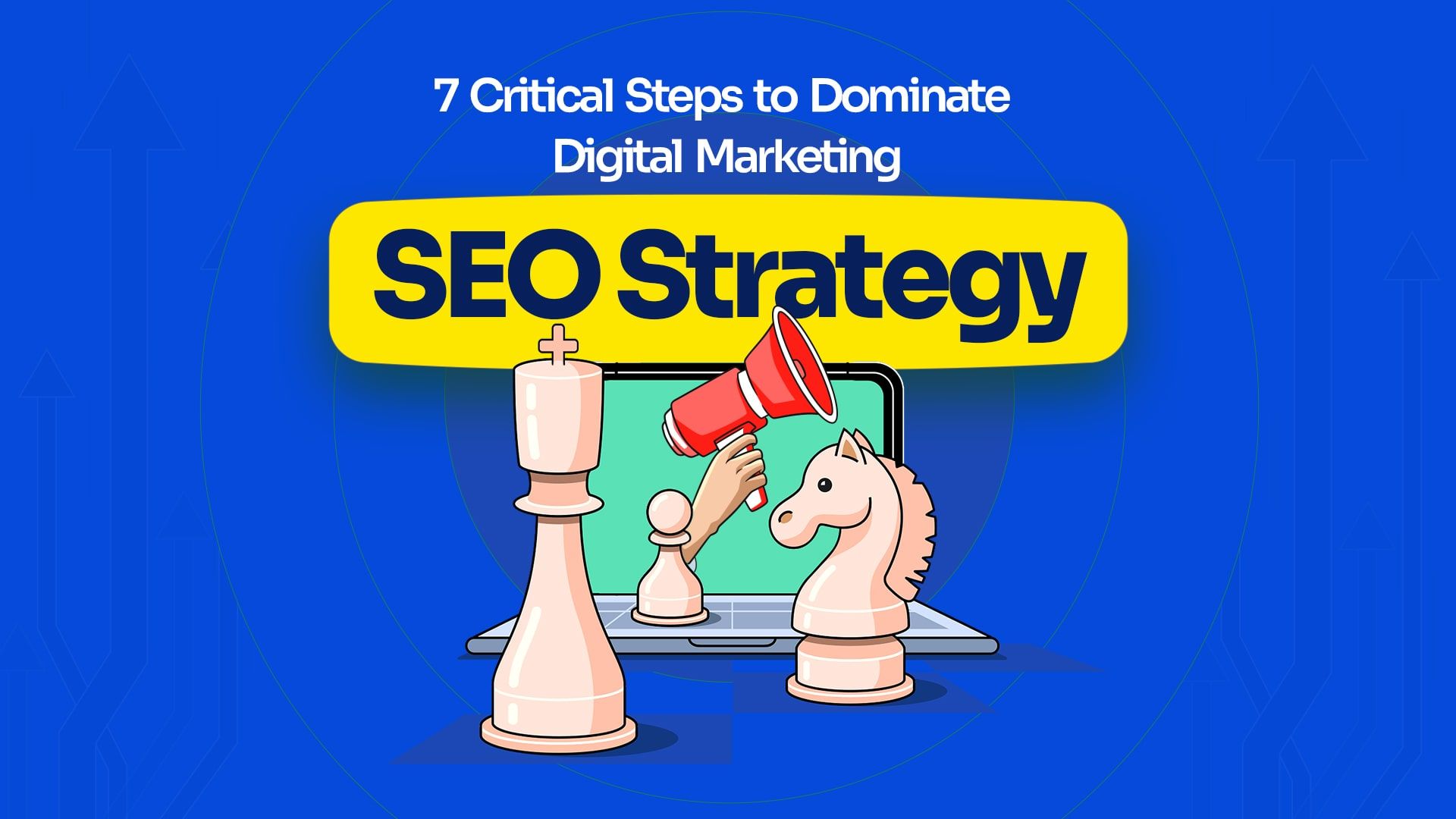
SEO Strategy: 7 Critical Steps to Dominate Digital  Marketing

As a business owner, you’ve probably realized that SEO is essential to online success. Mastering SEO strategies in today’s digital world is vital for maintaining a competitive edge. SEO still plays a significant role in achieving online success. If you want to improve your digital marketing game and dominate the online world, then adopting these seven critical steps can help. These steps are commonly used by SEO agencies to provide effective results with their SEO packages. So, remember these steps to enhance your website’s search engine rankings and take your business to new heights.

Comprehensive Keyword Research: The Bedrock of SEO

The meticulous process of comprehensive keyword research is at the heart of any successful SEO strategy. This foundational step is paramount in ensuring that your digital content aligns seamlessly with the language and queries of your target audience. Let’s explore why understanding your audience’s language is essential and how tools like Google Keyword Planner, SEMrush, and Ahrefs become invaluable assets in this journey.

The language your audience uses provides a direct pathway into their needs, preferences, and online behavior. By comprehending and mirroring this language, you create a connection beyond mere visibility—it resonates with users more profoundly. Knowing the specific terms, phrases, and questions your audience employs allows you to tailor your content to address their concerns directly, making your website a go-to resource in your industry.

Content is King, Context is Queen: 

RankBrain, a machine learning component of Google’s search algorithm, has ushered in a new era of search capabilities. Unlike traditional algorithms that relied on predefined rules, RankBrain employs artificial intelligence to understand and interpret user queries. This shift places a premium on content that goes beyond keyword matching; it demands a nuanced understanding of user intent and an ability to provide valuable solutions.

In the age of RankBrain, creating high-quality, relevant content is no longer a recommendation but a non-negotiable requirement. Google’s algorithms are increasingly discerning in assessing content quality. The focus has shifted from mere keyword density to the overall value a piece of content brings to users. This necessitates a strategic approach to content creation, wherein every piece is crafted not just to incorporate keywords but to genuinely serve the audience’s informational needs.

Catering to the On-the-Go User

The statement emphasizes the increasing importance of mobile optimization for websites in the current digital landscape. Central to mobile optimization is the adoption of responsive design. This design methodology guarantees that a website’s layout and content adapt seamlessly to diverse screen sizes, delivering an optimal viewing and interaction experience across a spectrum of devices, encompassing smartphones and tablets. Responsive design is essential for accommodating the ever-expanding variety of devices prevalent today and anticipated in the future.

Technical SEO

Technical SEO refers to optimizing the website’s technical elements rather than its content. It involves changing the backend structure and settings to enhance the website’s overall health and compatibility with search engine algorithms.

Key Aspects of Technical SEO:

Website Speed: One crucial aspect of technical SEO is optimizing the speed at which a website loads. Faster loading times not only contribute to a better user experience but are also favored by search engines. Google, in particular, considers page speed as a ranking factor.

Crawlability: Search engines always use bots to crawl and index web pages. Ensuring these bots can easily navigate and crawl through your website is vital for effective SEO. This involves creating a clear and organized site structure, using sitemaps, and having a logical URL structure.

Indexation: Indexation pertains to the procedure through which search engines incorporate web pages into their database. In technical SEO, the focus is on guaranteeing that all pertinent pages on your website undergo proper indexing, ensuring their inclusion in search engine databases. This includes addressing issues that may prevent certain pages from being indexed or dealing with duplicate content problems.

Backlinks are the external links that point to your website from other websites. They play a crucial role in SEO as search engines consider them signals of a website’s authority and credibility. Essentially, backlinks are seen as a vote of confidence from other online entities.

Variability in Backlink Quality:

The content suggests that not all backlinks carry the same weight. Some may be more valuable than others, depending on the source. Search engines assess the quality of backlinks based on the linking website’s authority, relevance, and credibility.

Focus on High-Quality, Relevant Backlinks:

The recommendation is to concentrate on building high-quality and relevant backlinks. This means seeking links from reputable sources within your industry or niche. Such links are likely to positively impact your website’s SEO because they reflect a genuine interest or endorsement from authoritative entities.

Keep Visitors Coming Back

User experience is a critical factor influencing SEO rankings and user retention. A seamless and enjoyable browsing experience encourages users to stay longer on your site, reducing bounce rates and signaling to search engines that your content is valuable. Optimize your website’s navigation, use clear calls to action, and ensure the overall design is user-friendly. Google rewards websites that only prioritize user satisfaction.

The Continuous Improvement Cycle

Regularly monitor your SEO performance using tools like Google Analytics and Search Console. Analyze user behavior, track conversions, and identify areas for improvement. Leverage A/B testing to explore and refine diverse strategies based on the outcomes. Adopting a data-driven approach guarantees that your SEO endeavors remain pertinent and efficient amidst evolving algorithms and shifting user behavior.

As a digital marketer, I agree that mastering SEO strategy is crucial for success in today’s competitive landscape. Conducting comprehensive keyword research, analyzing data, and iterating regularly is essential to improving online visibility. Adopting these seven critical steps can enhance your website’s search engine rankings and establish a solid foundation for long-term digital marketing success. Remember to stay agile, stay informed, and let SEO be the driving force behind your online achievements.

7 Reasons Why You Lose Revenue Due To Poor SEO Strategy

As a business owner, it’s crucial to establish a strong online presence to achieve success. Search engine optimization (SEO) is a powerful tool that can help you achieve this goal. However, it’s essential to implement a sound SEO strategy, as a poorly executed one can lead to revenue loss for your business. In this article, we will explore seven reasons why suboptimal SEO strategies can impact your revenue negatively. To avoid these issues, it’s vital to work with Top SEO Company In India that offer clear SEO packages tailored to your specific needs and help you run your business online.

Neglecting the Power of Keywords (and the Art of Optimization)

Keywords play a crucial role in search engine optimization (SEO), serving as the key link between what users search for and the content on your website. Think of keywords as the guiding stars that help users navigate through the vast expanse of the internet, and your SEO strategy as the compass that ensures your content is on track and headed in the right direction. Effective keyword research and optimization are the building blocks of a successful SEO campaign; ignoring this crucial aspect of SEO is like setting sail without a map, leaving your content adrift and potentially losing valuable customers. In this article, we will take a closer look at why keywords are so crucial to your SEO strategy and how you can leverage them to increase visibility and attract more traffic to your website.

Bridge Between User Intent and Content:

Keywords act as a bridge, connecting users’ intent with your website’s content. Users who type queries into search engines use specific words or phrases that reflect their needs, questions, or interests. A well-crafted keyword strategy ensures that your content is aligned with these user queries, enhancing the chances of your website appearing in relevant search results.

Content Quality:

The adage “Content is king” is not a mere cliché; it’s a fundamental truth in the digital age. Poorly crafted, irrelevant, or duplicated content fails to engage users and undermines your SEO efforts. Search engines prioritize content that is informative, original, and engaging. If your website lacks quality content, it ranks lower in search results and fails to retain visitors. A holistic content strategy that caters to the needs and interests of your target audience is indispensable for SEO success and revenue generation.

The Mobile Revolution: 

In an era dominated by smartphones, neglecting mobile optimization is a cardinal sin in SEO. Search engines led by Google now prioritize mobile-friendly websites in their rankings. A poor mobile experience affects your search rankings and alienates a significant portion of your potential audience who prefer browsing on their smartphones or tablets. Embracing a responsive design and ensuring a mobile-friendly user interface is not just a trend; it’s a necessity for a modern and effective SEO strategy.

Technical SEO Neglect: 

In the intricate web of search engine optimization (SEO), the user-facing elements of your website are indeed essential, but beneath the surface lies a critical component that often goes unnoticed: technical SEO. Unlike the content and design that users interact with directly, technical SEO influences how search engines crawl, index, and ultimately rank your website. Neglecting technical SEO issues can have profound consequences for your search rankings and, consequently, your online visibility and revenue potential.

The Unseen Engine Room:

Technical SEO can be likened to a ship’s engine room, powering the vessel’s movement without being visible to those on board. Similarly, technical SEO works behind the scenes, ensuring search engines can navigate your website efficiently and effectively.

Impact on Search Rankings:

Ignoring technical SEO issues is akin to sailing a ship with a compromised engine. Issues such as broken links, slow page load times, and improper redirects can significantly impact how search engines perceive and rank your website. Search algorithms consider a site’s overall health and performance, and technical issues send harmful signals, resulting in lower rankings.

Backlinks, the currency of the internet, indicate to search engines that your website is a reputable and reliable source of information. However, not all backlinks are created equal, and a misguided link-building strategy can lead to adverse consequences. Low-quality or spammy backlinks can result in penalties from search engines, plummeting your rankings. Conversely, a well-executed and ethical link-building strategy can significantly enhance your website’s authority, increasing its visibility in search results and boosting revenue.

Failure to Adapt to Algorithmic Shifts:

Search engines constantly evolve algorithms to offer users the most relevant and high-quality content. Businesses that fail to adapt to these shifts risk declining search rankings. Staying informed about algorithm updates and promptly adjusting your SEO strategy is essential for maintaining and improving online visibility. Regularly monitoring industry trends and algorithm changes allows you to adjust your SEO strategy proactively, ensuring long-term success and sustained revenue growth.

Local SEO Neglect: 

For businesses with a physical presence, paying attention to local SEO is akin to leaving money on the table. Many consumers rely on search engines to find local products and services, and if your business appears in local search results, you need a substantial market share. Optimizing your website for local search, claiming and updating your Google My Business listing, and encouraging customer reviews are critical to enhancing your local SEO efforts. Local SEO improves your visibility in local searches and establishes trust with potential customers in your vicinity, potentially transforming them into loyal patrons.

In the highly competitive world, a poor SEO strategy is akin to digital marketing, with consequences far beyond diminished search rankings. Businesses can take proactive steps to elevate their SEO strategies by addressing these seven crucial reasons for revenue loss, ensuring visibility, sustained engagement, and conversions. Investing in a robust and comprehensive SEO strategy is not an extravagance; it’s a prerequisite for businesses aspiring to thrive in the digital era. The keys to unlocking the full potential of your online presence lie in understanding these challenges and implementing strategies that address them and propel your brand toward sustained success and revenue growth.

Improve SEO : 5 Proven Techniques to Improve Your Google Rankings

Nowadays, attaining a prominent and impactful position on Google isn’t merely an aspiration; it’s an indispensable requirement for businesses striving to flourish in the digital age. With ongoing advancements in search engine algorithms, the imperative is clear: your strategies for search engine optimization (SEO) must evolve in tandem to ensure sustained success and visibility in the online realm. This comprehensive guide explores five proven techniques that can significantly enhance your position on Google, providing insights and tools for staying ahead in the fiercely competitive digital landscape. These techniques are most widely used by almost all SEO agencies across the globe, and business people will get this service through affordable SEO packages according to their business and budget.

Strategic Keyword Research and Optimization

Keyword research is a critical component of any successful SEO campaign. It requires a deep understanding of your business, industry, and target audience. By identifying the most relevant and influential keywords for your offerings, you can improve your website’s visibility and attract more potential customers. 

To begin this process, start by pinpointing the most pertinent keywords for your industry. Then, use powerful keyword research tools like Google Keyword Planner, SEMrush, or Ahrefs to expand your list and identify highly sought-after terms that reflect the language and queries of your target audience. These tools can also help you uncover keywords with limited competition that can give you an edge. Once you have your list of targeted keywords, it’s essential to strategically incorporate them into your website’s content, meta tags, and headers. 

However, avoiding keyword stuffing and focusing on creating high-quality, informative, and user-friendly content that seamlessly integrates your targeted keywords is important. This approach will improve your website’s visibility and rankings on search engine results pages and provide value to your audience.

Content Is King: Quality Content Creation

In the complex domain of search engine optimization (SEO), Google places significant emphasis on top-tier content that aligns closely with users’ needs and expectations. This search engine powerhouse acknowledges the pivotal role of delivering valuable and meaningful results, prioritizing content that resonates effectively with its users.

To align with Google’s preferences, website owners and content creators must place paramount importance on consistently generating top-tier content that directly caters to the needs and expectations of their target audience. Extensive content, such as in-depth articles, guides, and case studies, often garners favorable performance in search results. By crafting comprehensive resources, you establish authority within your industry, attract users, and acquire valuable backlinks—a pivotal element in Google’s ranking algorithm.

Mobile Optimization: Beyond Responsive Design

In the current digital era, the widespread use of mobile devices has shifted mobile optimization from an optional consideration to a necessity. Optimizing your website for mobile devices is crucial, with an increasing number of users navigating the internet via smartphones and tablets. This optimization is pivotal, significantly contributing to improved user satisfaction and enhanced search engine performance.

As a leading force in search engines, Google prioritizes websites optimized for mobile devices within its ranking algorithms. Beyond responsive design, focus on optimizing images for faster loading times, and consider implementing Accelerated Mobile Pages (AMP) to enhance the overall mobile user experience. Prioritize user-friendliness, as positive mobile experiences translate to higher search rankings and increased user satisfaction.

Backlinks, also known as inbound links, constitute a powerful signal in the intricate world of search engine optimization. They are links from external, reputable websites that point back to your site. Recognized as a crucial factor in search engine algorithms, backlinks are pivotal in determining a website’s authority, credibility, and relevance.

To strengthen your digital footprint and improve your search engine rankings, it’s vital to nurture a strong backlink profile. This involves building relationships with influencers, industry leaders, and other websites pertinent to your niche. Explore guest posting opportunities and engage in industry forums to acquire authoritative backlinks. Quality trumps quantity in backlinks, so focus on obtaining links from trustworthy sources to bolster your website’s credibility.

Technical SEO Optimization: Beyond the Basics

Beyond content and backlinks, the technical aspects of your website play a pivotal role in SEO. Conduct a thorough website audit to identify and rectify any technical issues that may hinder your search engine performance. Key areas to focus on include:

Site Speed Optimization: Site speed optimization is critical to a comprehensive SEO strategy. Faster loading times enhance the user experience and contribute to higher search rankings. Users today expect websites to load quickly, and search engines recognize this as a crucial factor in determining the relevance and usability of a site. To optimize site speed, consider compressing images, leveraging browser caching, and minimizing unnecessary scripts to create a seamless browsing experience for your audience.

Crawlability: Ensure Search Engine Bots Can Easily Crawl and Index Your Website Using a Sitemap and a robots.txt File

For search engines to index and understand your website’s content, it’s essential to ensure crawlability. Implementing a sitemap provides search engine bots with a structured map of your site, aiding in efficient crawling. A well-optimized robots.txt file also guides search engine crawlers on which pages to index and which to exclude. 

SSL Encryption: Secure Your Website with HTTPS for Improved Security and Search Rankings

In an era where online security is paramount, securing your website with HTTPS through SSL encryption is a measure of safety and a ranking factor for search engines. Google, in particular, gives preference to secure websites in its rankings. Beyond enhancing your search rankings, SSL encryption instills trust in your website visitors by ensuring their data is transmitted securely. 

Structured Data Markup: Implement Schema Markup to Provide Search Engines Context About Your Content

As a website owner, you might have heard about structured data markup, also known as schema markup. It’s a powerful technique that helps search engines understand the context of your content. You can improve how your content appears in search results by marking up specific elements like reviews, products, or events. 

This can increase your chances of getting more clicks and traffic to your website. However, remember that SEO is not just about structured data markup. It’s a holistic approach that involves many different factors. To rank well on Google, you must also focus on strategic keyword optimization, creating high-quality content, optimizing your website for mobile devices, building backlinks, and improving your site’s technical SEO. 

Remember that SEO is an ongoing process that requires consistent effort. To succeed in the ever-changing digital landscape, you need to stay informed, track your performance, and refine your strategy. By doing so, you can establish a strong online presence and attract more visitors to your website.